
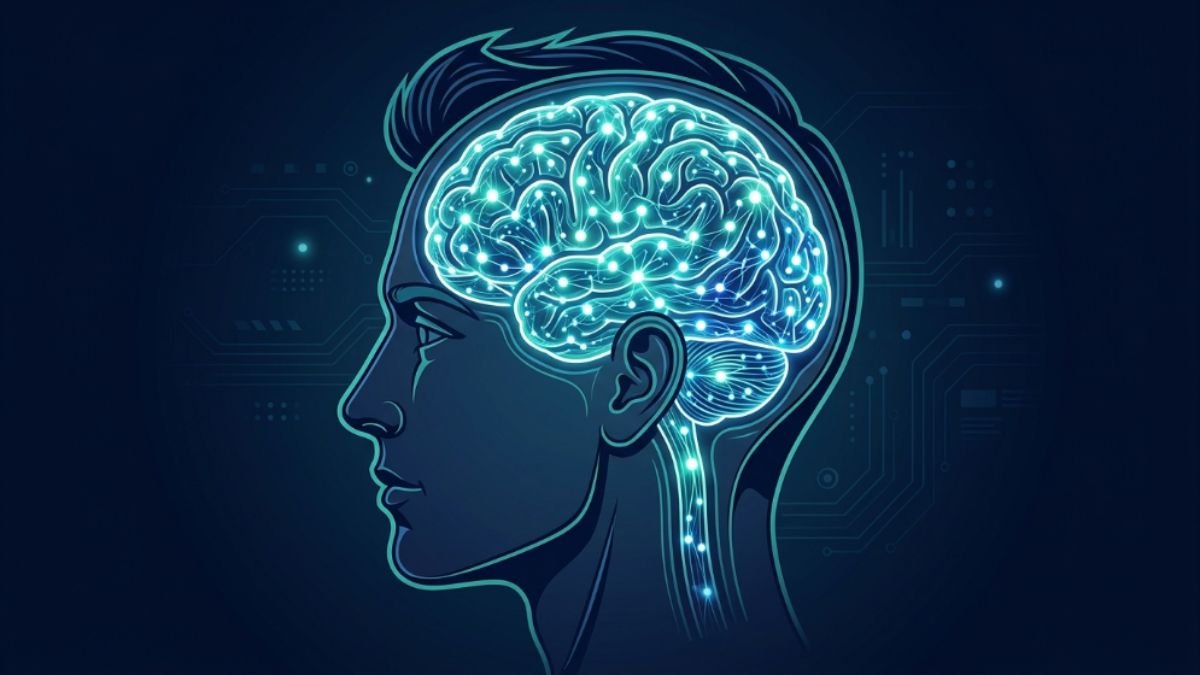
Neuroplasticity in Adults: Can You Really Rewire Your Brain After 30?
Neuroplasticity in adults is not a self-help concept — it is one of the most significant scientific revisions of the last three decades, and understanding it may change how you approach everything from learning new skills to recovering mental sharpness after years of cognitive decline.
For most of the 20th century, neuroscientists operated under a firm assumption: the adult brain was essentially fixed. You were born with a set number of neurons, and after early childhood development, the architecture of your brain was largely locked in place. If you lost cognitive function, it was gone. Full stop.
That assumption has been overturned.
Research now shows that the adult brain retains a remarkable — if not unlimited — capacity to reorganize itself. New neural connections form throughout life. Existing pathways strengthen or weaken based on use. And with the right inputs, adults can meaningfully improve focus, memory, and cognitive resilience well into their 40s, 50s, and beyond.
This article breaks down what neuroplasticity actually is, how it works in the adult brain, what genuinely supports it, and what the evidence says about rewiring your brain after 30.
This content is for informational and educational purposes only. It does not constitute medical advice. Please consult your healthcare provider before making changes to your diet, supplements, or cognitive health routine.
What Is Neuroplasticity, Exactly?
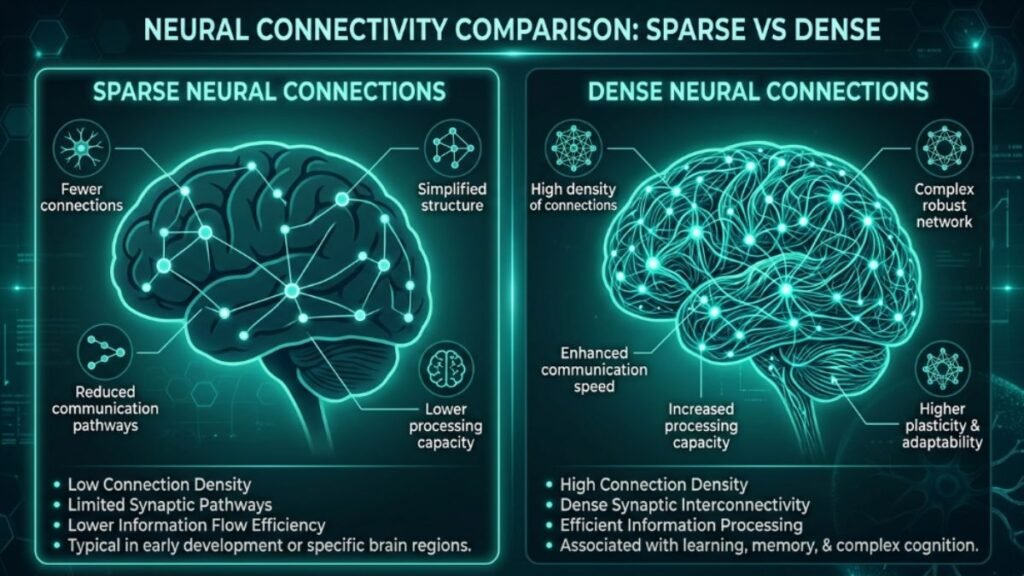
Neuroplasticity — also called brain plasticity or neural plasticity — refers to the brain’s ability to change its structure and function in response to experience, learning, injury, or environmental input.
The word comes from “neuro” (relating to neurons, the brain’s nerve cells) and “plastic” (moldable, adaptable). Think of it less like clay and more like a network of trails through a forest. The more you walk a particular path, the clearer and easier it becomes. Trails you stop using gradually overgrow. And with enough effort, you can forge entirely new paths where none existed before.
At the cellular level, neuroplasticity operates through several mechanisms:
- Synaptic plasticity — the strengthening or weakening of connections (synapses) between individual neurons based on how frequently they fire together. This is captured in the neuroscience principle often summarized as “neurons that fire together, wire together.”
- Neurogenesis — the formation of new neurons, primarily in a region called the hippocampus (critical for memory and learning). Once thought impossible in adults, neurogenesis is now well-documented in human adults, though the rate declines with age.
- Cortical remapping — the brain’s ability to reassign functions to different regions, most dramatically observed in stroke recovery and sensory loss, but present in everyday learning as well.
Neuroplasticity is not one process. It is an umbrella term covering dozens of adaptive mechanisms that collectively allow the brain to remain responsive throughout life.
Does Neuroplasticity Decline With Age?
Yes — but the picture is more nuanced than most people assume.
The brain is most plastic during early childhood. This is why children absorb language, music, and motor skills with seemingly effortless speed. The developmental windows of childhood, called “critical periods,” represent peak plasticity states.
By adulthood, the rate of structural change slows. The brain becomes more selective about forming new connections — it has already optimized for the demands it has faced most consistently.
But slowing is not stopping.
Research from institutions including Harvard Medical School and the National Institute on Aging consistently shows that adult brains retain significant plastic capacity, particularly in:
- The hippocampus (memory consolidation)
- The prefrontal cortex (executive function, decision-making, focus)
- The cerebellum (motor learning and coordination)
What changes is the effort required. Adult neuroplasticity tends to demand more deliberate, sustained practice to produce the same structural changes that would occur more automatically in a child. The brain does not stop being plastic — it becomes more selective about what earns a structural response.
KNOW MORE: How Long Does Brainwave Entrainment Take to Work? A Complete Guide
What Genuinely Supports Neuroplasticity in Adults?

This is where the research gets practical. Several well-documented factors consistently show up in the neuroplasticity literature as meaningful drivers of adult brain adaptation.
1. Physical Exercise
Of all the lifestyle interventions studied, aerobic exercise has the most robust evidence base for supporting adult neuroplasticity. A landmark study published in the Proceedings of the National Academy of Sciences found that adults who walked briskly for 40 minutes three times per week showed a 2% increase in hippocampal volume — reversing age-related shrinkage by approximately one to two years.
The mechanism: exercise increases production of a protein called BDNF (Brain-Derived Neurotrophic Factor), sometimes described as “fertilizer for the brain.” BDNF supports the growth and maintenance of neurons and strengthens synaptic connections.
You do not need to run marathons. Consistent moderate-intensity aerobic exercise — brisk walking, swimming, cycling — is sufficient.
2. Quality Sleep
Sleep is when the brain consolidates learning into long-term memory and clears metabolic waste through the glymphatic system — a process that, when disrupted, accumulates the same protein fragments associated with cognitive decline.
During deep sleep stages, the brain replays experiences from the day, strengthening the neural circuits that encode new information. Chronic sleep deprivation measurably impairs this consolidation process and reduces the brain’s adaptive capacity over time.
Seven to nine hours of consistent, quality sleep is not optional for neuroplasticity — it is foundational.
3. Learning Novel Skills
The brain adapts most strongly in response to challenging, unfamiliar tasks — not repetition of things you have already mastered. Learning a new language, a musical instrument, a complex craft, or a new professional skill creates demands on the brain that stimulate new neural pathway formation.
Research on musicians and bilinguals consistently shows structural differences in brain regions associated with their skills — differences that developed through sustained practice, not genetics.
The key word is “novel.” Doing the same crossword puzzle you have mastered for years stimulates less adaptive response than attempting something genuinely outside your current skill set.
4. Stress Management
Chronic stress — particularly sustained exposure to cortisol, the primary stress hormone — is one of the most reliable inhibitors of neuroplasticity. High cortisol levels suppress BDNF production, impair hippocampal neurogenesis, and weaken the synaptic connections that learning depends on.
Managing chronic stress through mindfulness practices, breathwork, reduced workload, or social connection is not a wellness luxury. It is a neurological necessity for maintaining brain adaptability.
5. Nutrition and Targeted Supplementation
The brain is metabolically expensive — it consumes roughly 20% of the body’s total energy while representing only 2% of its weight. Nutritional factors that support neuroplasticity include:
- Omega-3 fatty acids (DHA) — structural components of neuronal membranes; low DHA is associated with reduced synaptic flexibility
- Polyphenols — plant compounds including those found in green tea (EGCG), berries (anthocyanins), and coffee (chlorogenic acid) that reduce neuroinflammation and support BDNF signaling
- B vitamins — essential cofactors in neurotransmitter synthesis and myelin maintenance
- Magnesium — particularly magnesium-L-threonate, which has shown preliminary evidence for crossing the blood-brain barrier and supporting synaptic density
SEE MORE ABOUT: Best Nootropics for Focus: The 2026 Science-Backed Guide
The Neuroinflammation Connection
One factor that deserves specific attention in the context of adult neuroplasticity is neuroinflammation — chronic low-grade inflammation of neural tissue.
When neuroinflammation is present, it creates a hostile environment for neuroplastic processes. BDNF signaling is suppressed. Neurogenesis in the hippocampus slows. Synaptic maintenance becomes less efficient. The brain is effectively too busy managing an inflammatory state to allocate resources to learning and adaptation.
Research increasingly positions neuroinflammation as one of the primary reasons adults experience cognitive decline — not just age itself, but the cumulative inflammatory burden of chronic stress, poor sleep, processed diets, and environmental toxins.
Addressing neuroinflammation through anti-inflammatory nutrition, sleep optimization, and targeted antioxidant support may be one of the most impactful interventions available for restoring adult neuroplastic capacity.
| Factor | Effect on Neuroplasticity | Evidence Level |
|---|---|---|
| Aerobic exercise | Strong positive — increases BDNF, hippocampal volume | High (multiple RCTs) |
| Quality sleep | Foundational — enables consolidation and glymphatic clearance | High |
| Novel skill learning | Direct stimulation of new neural pathway formation | High |
| Chronic stress | Significant negative — suppresses BDNF, impairs hippocampus | High |
| Anti-inflammatory nutrition | Moderate positive — reduces neuroinflammatory burden | Moderate (growing) |
| Cognitive supplements | Variable — depends on ingredient and dosage | Moderate |
Common Myths About Neuroplasticity
The term has become a fixture in popular psychology — and with popularity comes distortion. A few things worth clarifying:
Myth: “You only use 10% of your brain.” False. Brain imaging consistently shows activity across virtually all brain regions, varying by task. This myth has no scientific basis and no meaningful connection to neuroplasticity.
Myth: “Brain training apps will make you smarter.” The evidence here is mixed at best. Most commercial brain training apps improve performance on the specific tasks within the app — but show limited transfer to real-world cognitive performance. Genuine neuroplasticity requires varied, challenging, meaningful learning — not gamified repetition.
Myth: “Neuroplasticity means you can fully recover any lost cognitive function.” Neuroplasticity is powerful but not unlimited. Severe neurological damage, advanced neurodegeneration, and prolonged periods of disuse create changes that are not fully reversible. Managing expectations is important — neuroplasticity supports improvement and resilience, not guaranteed restoration.
Myth: “It only matters when you are young.” The evidence is clear that meaningful neuroplastic change occurs throughout adult life. The rate may be slower, the effort required may be greater, but the capacity remains real and accessible.
Practical Steps to Support Your Brain’s Adaptability

Based on the evidence, here is what consistently moves the needle for adult neuroplasticity:
- Commit to 150 minutes of aerobic exercise per week — the dose most consistently associated with BDNF increases and hippocampal support
- Protect your sleep — prioritize 7–9 hours with consistent wake and sleep times
- Learn something genuinely difficult — a language, an instrument, a technical skill that requires sustained effort
- Reduce chronic stress inputs — identify the two or three largest stressors in your life and address them structurally, not just symptomatically
- Eat to reduce neuroinflammation — emphasize whole foods, polyphenol-rich plants, omega-3 sources; reduce ultra-processed foods, added sugar, and alcohol
- Stay socially and intellectually engaged — isolation and understimulation are measurably negative for brain plasticity
None of these require extraordinary willpower or expensive interventions. They require consistency — and consistency, given what we now know about neuroplasticity, is exactly the kind of input the adult brain responds to.
Conclusion
Neuroplasticity in adults is not a metaphor or a motivational concept. It is a documented biological reality. Your brain retains the ability to form new connections, strengthen existing pathways, and adapt to new demands throughout adulthood — provided you give it the right conditions to do so.
The key takeaways:
- The adult brain is not fixed — neuroplasticity continues throughout life, though it requires more deliberate effort than in childhood
- Neuroinflammation is one of the biggest obstacles to adult brain adaptability — addressing it matters
- The most evidence-backed interventions are consistent aerobic exercise, quality sleep, novel skill learning, and stress reduction
Understanding this changes the question from “Is it too late?” to “What conditions am I creating for my brain right now?”
The answer to that question is entirely within reach.
Frequently Asked Questions
Can neuroplasticity in adults actually improve memory?
Yes. Research supports that adult neuroplasticity — particularly in the hippocampus — can support memory consolidation and recall when stimulated by consistent exercise, quality sleep, and novel learning. Improvements are incremental and require sustained effort rather than short-term intervention.
At what age does neuroplasticity stop?
Neuroplasticity does not stop at any specific age. It slows progressively from childhood through adulthood, but meaningful structural and functional brain changes continue to be documented into the 60s, 70s, and beyond. The rate of change declines; the capacity does not disappear.
Does meditation increase neuroplasticity in adults?
Emerging research suggests regular mindfulness meditation produces measurable structural changes in brain regions associated with attention, emotional regulation, and self-awareness. A well-cited Harvard study found increased cortical thickness in meditators compared to non-meditators. Evidence is promising, though more long-term studies are needed.
What is the fastest way to improve neuroplasticity?
No single intervention works “fastest” — neuroplasticity responds to cumulative, consistent inputs rather than short-term intensity. The most evidence-backed approach is combining aerobic exercise, adequate sleep, and genuine skill-based learning simultaneously, as these factors appear to have synergistic effects on BDNF production and synaptic adaptation.
Can neuroinflammation permanently damage neuroplasticity?
Chronic, untreated neuroinflammation can significantly impair neuroplastic capacity over time. However, research suggests that reducing neuroinflammation through lifestyle and dietary interventions can restore some of this adaptive function. Early intervention matters — the longer neuroinflammation persists, the more entrenched the structural changes become.

Daniel Mercer é um escritor de ciências da saúde especializado em desempenho cognitivo, nootrópicos e pesquisas sobre saúde cerebral. Com formação em ciências biomédicas e mais de uma década de experiência revisando literatura clínica sobre desempenho mental e suplementação, ele fundou o Cognitive Insight Lab para simplificar informações irrelevantes e fornecer análises baseadas em evidências para pessoas que levam a sério sua saúde cognitiva. Daniel não aceita conteúdo patrocinado e não possui vínculos financeiros com as marcas analisadas neste site.