

How to Choose a Cognitive Supplement: A Buyer’s Guide for Skeptical Adults in 2026
How to choose a cognitive supplement is a question many adults over 35 are asking as memory, focus, and mental clarity become increasingly important for maintaining quality of life and independence. As cognitive decline becomes a growing concern with age, the search for effective solutions has led millions of Americans to explore cognitive supplements as part of their wellness routine. But with hundreds of options on the market, how do you separate science-backed formulas from marketing hype?
Recent data from the National Center for Health Statistics shows that nearly 1 in 4 adults over 50 in the United States reports noticeable memory concerns. At the same time, the global brain health supplement market has surpassed $8 billion annually, with projections continuing to rise. This explosion of products has created both opportunity—and confusion.
In practical experience working with supplement evaluation and health-focused content, one recurring issue stands out: most consumers choose cognitive supplements based on branding, not formulation quality. We’ve observed cases where individuals spent over $200/month on products with little to no clinically effective ingredients, while overlooking simpler, evidence-supported options.
This guide will break down exactly how to choose a cognitive supplement with confidence. You’ll learn how to evaluate ingredients, understand labels, avoid common pitfalls, and make decisions aligned with your personal health goals—without relying on guesswork.
Important Notice: This article is for informational and educational purposes only. The information provided does not replace guidance from a qualified healthcare professional. For personal decisions related to health, consult a licensed professional.
What Cognitive Supplements Actually Do (and Don’t Do)
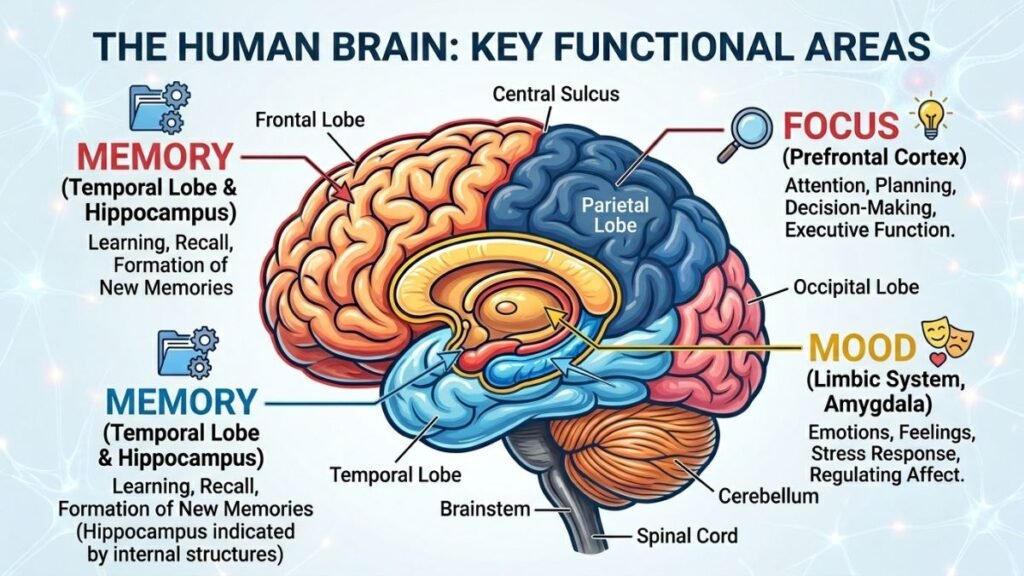
Cognitive supplements—often referred to as nootropics—are designed to support brain functions such as memory, focus, mental clarity, and mood regulation. However, their effects are often misunderstood.
How They Work in the Brain
Most cognitive supplements target one or more of the following mechanisms:
- Neurotransmitter support (e.g., acetylcholine, dopamine)
- Blood flow enhancement to the brain
- Reduction of oxidative stress and inflammation
- Support for neuroplasticity and brain cell health
What They Can Realistically Improve
- Mild memory lapses associated with aging
- Focus and attention span
- Mental fatigue and energy levels
- Stress resilience and mood balance
What They Cannot Do
- Reverse neurodegenerative diseases
- Replace sleep, nutrition, or exercise
- Deliver instant or dramatic cognitive transformation
Practical Tip: Cognitive supplements tend to show measurable effects only after consistent use for 4 to 12 weeks.
Key Ingredients to Look for in a High-Quality Cognitive Supplement

Not all supplements are created equal. The effectiveness of a product depends heavily on its ingredient profile.
Evidence-Supported Ingredients
- Bacopa Monnieri: Supports memory and learning over time
- Ginkgo Biloba: Improves blood circulation to the brain
- Phosphatidylserine: Aids cognitive processing and memory
- Omega-3 Fatty Acids (DHA): Essential for brain structure
- L-Theanine: Promotes calm focus without sedation
Ingredients with Emerging Evidence
- Lion’s Mane Mushroom: May support nerve regeneration
- Rhodiola Rosea: Helps with stress-related fatigue
- Citicoline (CDP-Choline): Supports attention and brain energy
Ingredients to Approach with Caution
- Proprietary blends without dosage transparency
- High-dose caffeine disguised as “energy matrix”
- Synthetic stimulants not well-studied
Attention: If a supplement does not disclose exact ingredient dosages, it is impossible to evaluate its effectiveness.
How to Read Supplement Labels Like a Professional
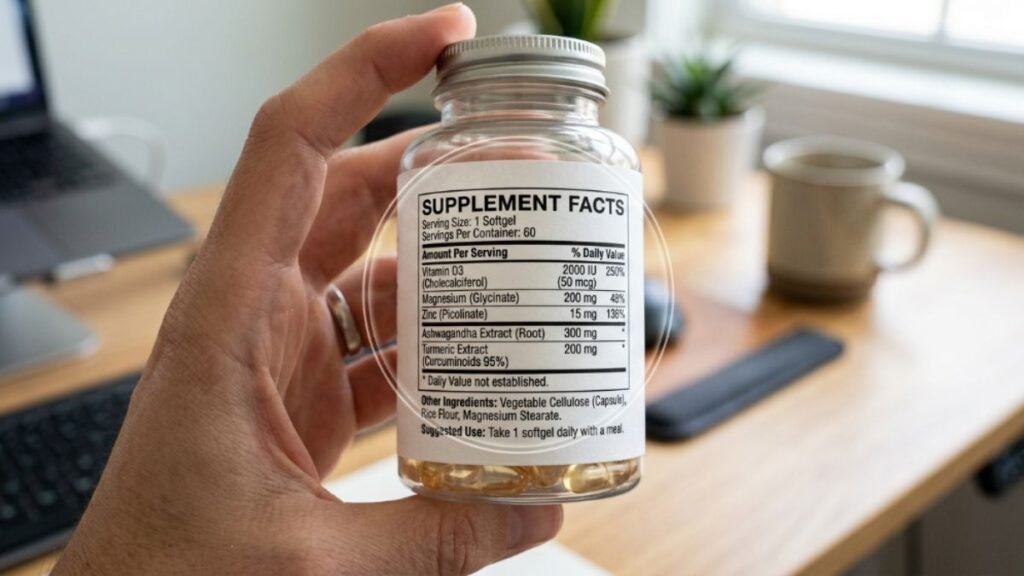
Understanding labels is one of the most overlooked skills when choosing a cognitive supplement.
Key Elements to Analyze
- Serving Size: Determines actual daily intake
- Active Ingredients: Must include specific dosages
- % Daily Value: Helps contextualize nutrient levels
- Other Ingredients: Fillers, binders, and additives
Red Flags on Labels
- “Proprietary Blend” without breakdown
- Excessive fillers like magnesium stearate
- Artificial colors or preservatives
Ideal Transparency Indicators
- Third-party testing certification
- GMP (Good Manufacturing Practices) compliance
- Clear sourcing information
Best Practice: Choose supplements that provide clinical dosages matching those used in scientific studies.
You might be interested to know: Best Sleep Supplements for Cognitive Performance (2026)
Step-by-Step Process to Choose the Right Supplement
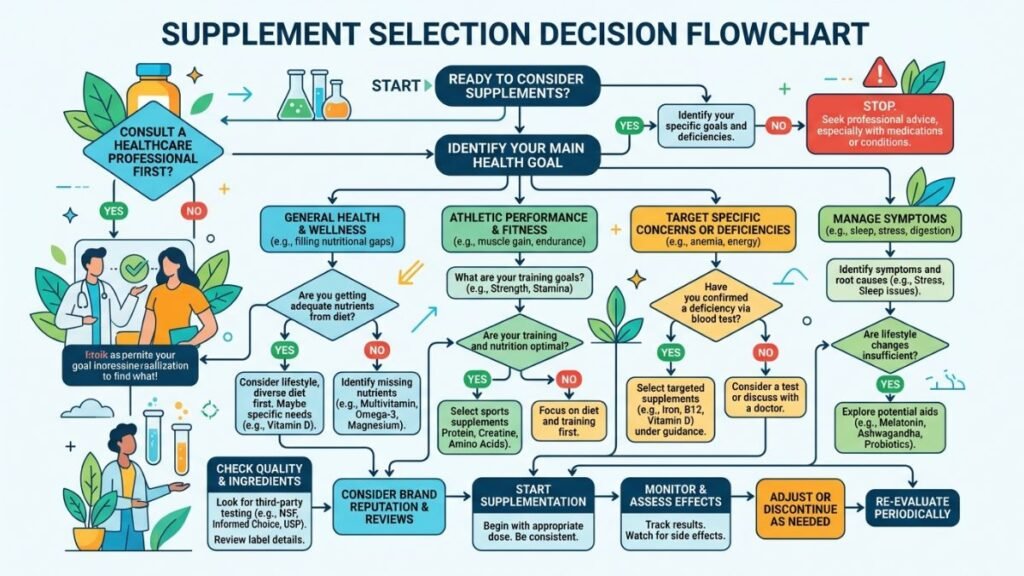
Selecting the right product becomes much easier with a structured approach.
Step-by-Step Guide
- Define Your Goal
Identify whether your priority is memory, focus, stress reduction, or overall brain health. - Check Ingredient Relevance
Match ingredients to your goal (e.g., Bacopa for memory, L-Theanine for focus). - Verify Dosages
Compare with clinically studied amounts. - Evaluate Brand Credibility
Look for transparency, reviews, and manufacturing standards. - Start with One Product
Avoid combining multiple supplements initially. - Track Results Over Time
Monitor changes over 30 to 90 days.
Practical Tip: Keeping a simple weekly journal can help identify subtle cognitive improvements.
How to Identify high-quality brands in the U.S?
Choosing the right ingredients is only part of the equation. The brand behind the supplement plays a critical role in determining safety, consistency, and real-world effectiveness. In the United States, the supplement industry is regulated, but not all companies follow the same level of rigor.
Understanding how to identify a high-quality brand can prevent wasted money and reduce potential health risks.
Regulatory Standards That Matter
In the U.S., dietary supplements are regulated under the FDA’s Dietary Supplement Health and Education Act (DSHEA). However, the FDA does not approve supplements before they reach the market.
That means responsibility falls on the manufacturer.
Look for:
- GMP (Good Manufacturing Practices) certification
- FDA-registered facilities
- Clear labeling and compliance with DSHEA guidelines
These are baseline indicators—but not enough on their own.
Third-Party Testing and Certifications
Independent testing is one of the strongest trust signals available.
Reliable certifications include:
- NSF International
- USP (United States Pharmacopeia)
- ConsumerLab testing
These organizations verify:
- Ingredient purity
- Dosage accuracy
- Absence of contaminants (heavy metals, bacteria)
Practical Tip: If a brand openly shares Certificates of Analysis (COAs), it signals a higher level of transparency.
Signs of a Trustworthy Brand
When evaluating brands, prioritize those that:
- Provide full ingredient transparency (no hidden blends)
- Offer clear contact information and customer support
- Share clinical references or research backing
- Maintain consistent product formulations
Attention: Brands that rely heavily on exaggerated claims like “instant brain boost” or “guaranteed results” should be approached with caution.
Best Practice: Stick with brands that prioritize education over marketing hype.
Comparing Different Types of Cognitive Supplements
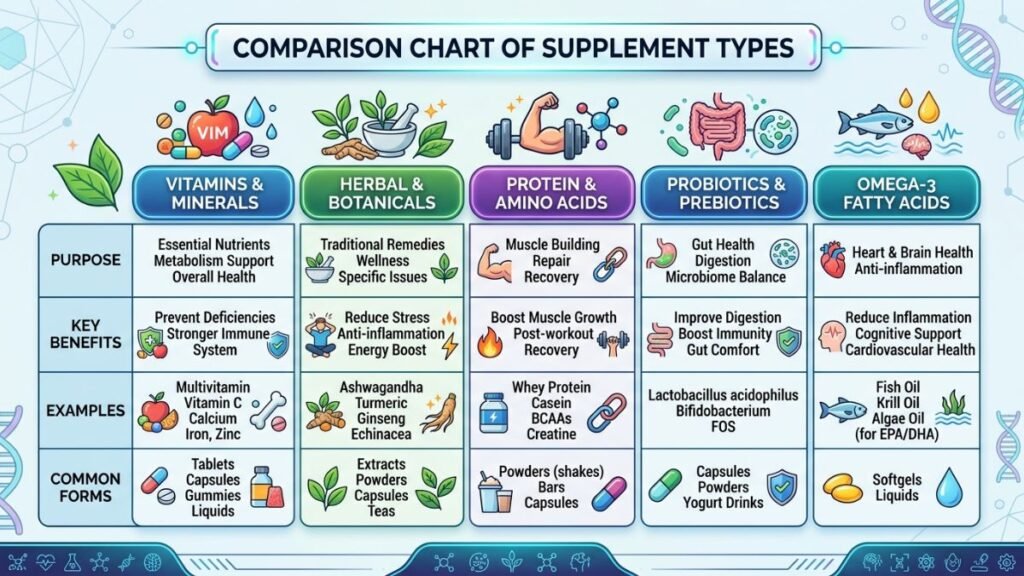
Different formulations serve different needs.
| Criterion | Natural Nootropics | Synthetic Nootropics | Multivitamin Blends |
|---|---|---|---|
| Main Purpose | Long-term brain support | Short-term performance | General health support |
| Speed of Effect | Gradual (weeks) | Fast (hours/days) | Slow (months) |
| Safety Profile | Generally high | Variable | High |
| Cost (monthly) | $30–$80 | $50–$150 | $20–$60 |
| Best For | Aging adults | Students/professionals | Preventive care |
Attention: Faster-acting supplements often come with higher risk of side effects.
Best Time And Way To Take Cognitive Supplements

Even the most well-formulated supplement can underperform if taken incorrectly. Timing, consistency, and absorption all influence how effectively your body utilizes cognitive support compounds.
Understanding how and when to take these supplements can significantly improve results.
Morning vs Evening: What Works Best?
Most cognitive supplements are best taken in the morning, especially those that support:
- Focus and alertness
- Mental energy
- Neurotransmitter activity
Ingredients like Rhodiola Rosea or Citicoline may interfere with sleep if taken late in the day.
However, some compounds are better suited for evening use:
- Magnesium (for relaxation)
- L-Theanine (in specific cases for stress reduction)
With Food or on an Empty Stomach?
This depends on the ingredient type.
- Fat-soluble compounds (like omega-3s) should be taken with meals
- Some herbal extracts may be better tolerated with food
- Amino acids may absorb faster on an empty stomach
Consistency and Cycling
Cognitive supplements often require consistent use.
Key principles:
- Take at the same time daily
- Avoid skipping doses frequently
- Evaluate effects over at least 30–60 days
Some users implement cycling strategies (e.g., 5 days on, 2 days off), especially with adaptogens.
Practical Tip: Set a daily reminder or integrate supplement intake into an existing routine (like breakfast) to improve adherence.
Attention: Taking higher doses than recommended will not accelerate results and may increase the risk of side effects.
Common Mistakes to Avoid When Buying Cognitive Supplements
Even experienced buyers fall into these traps.
Most Frequent Errors
- Choosing based on marketing claims
- Ignoring ingredient dosages
- Expecting immediate results
- Taking multiple products simultaneously
- Not consulting a healthcare professional
Real-World Insight
We’ve seen users abandon effective supplements prematurely because they expected results within days. In most cases, consistency—not product switching—is the missing factor.
Best Practice: Commit to a 60–90 day evaluation period before judging effectiveness.
How Lifestyle Impacts Cognitive Supplement Effectiveness?

One of the most overlooked truths about cognitive supplements is this: their effectiveness is heavily influenced by lifestyle factors. Without a solid foundation, even the best supplement will deliver limited results.
In real-world observation, individuals who combine supplements with healthy habits consistently experience better outcomes than those who rely on supplements alone.
The Three Core Pillars of Brain Health
1. Sleep Quality
Sleep is when the brain consolidates memory and removes toxins.
Poor sleep can:
- Impair cognitive performance
- Reduce supplement effectiveness
- Increase mental fatigue
Aim for 7–9 hours per night consistently.
2. Nutrition
The brain requires specific nutrients to function properly.
A supportive diet includes:
- Healthy fats (omega-3s)
- Antioxidant-rich foods (berries, leafy greens)
- Adequate protein intake
Supplements should complement—not replace—a balanced diet.
3. Physical Activity
Regular exercise increases blood flow to the brain and supports neuroplasticity.
Even moderate activity (30 minutes, 4–5 times per week) can:
- Improve memory
- Enhance mood
- Boost overall brain performance
Cognitive Engagement and Mental Stimulation
Activities like reading, learning new skills, or solving problems also play a role in maintaining cognitive sharpness.
Best Practice: Combine supplementation with mental challenges to maximize long-term benefits.
Attention: Relying solely on supplements without improving lifestyle habits often leads to disappointing results.
Safety, Side Effects, and Who Should Be Careful
While many cognitive supplements are considered safe, they are not risk-free.
Possible Side Effects
- Mild headaches
- Digestive discomfort
- Sleep disturbances (especially with stimulants)
Higher-Risk Groups
- Individuals taking prescription medications
- People with neurological conditions
- Pregnant or breastfeeding women
When to Stop Use
- Persistent side effects
- Allergic reactions
- No improvement after 90 days
Attention: Combining supplements with medications (such as antidepressants or blood thinners) can create interactions.
Conclusion
Choosing the right cognitive supplement is not about finding the most popular product—it’s about making an informed, strategic decision based on your specific needs and reliable evidence.
The most important takeaways are clear: focus on clinically supported ingredients, prioritize transparency over marketing, and give your body enough time to respond. Avoid shortcuts, and remember that supplements work best when combined with healthy habits like proper sleep, balanced nutrition, and regular physical activity.
When approached correctly, cognitive supplements can become a valuable tool in maintaining mental sharpness and quality of life well into your later years.
If this guide helped clarify your decision process, consider saving it for future reference or sharing it with someone who may benefit from it.
FAQ – Frequently Asked Questions about How to Choose a Cognitive Supplement
How long does it take for cognitive supplements to work?
Most cognitive supplements require consistent use for 4 to 12 weeks before noticeable effects appear. Ingredients like Bacopa Monnieri are known for gradual improvements, particularly in memory and learning. Short-term effects, if any, are usually linked to stimulants rather than true cognitive enhancement.
Are cognitive supplements safe for daily use?
Many are safe when taken as directed, especially those based on natural ingredients. However, safety depends on dosage, individual health conditions, and potential interactions with medications. Consulting a healthcare professional is strongly recommended before long-term use.
What is the average cost of a good cognitive supplement?
High-quality cognitive supplements typically range from $30 to $80 per month in the United States. Premium formulations with multiple clinically dosed ingredients may exceed $100, but higher price does not always guarantee better results.
Can I take multiple cognitive supplements together?
It is generally not recommended to start with multiple supplements simultaneously. Combining products increases the risk of side effects and makes it difficult to identify what is working. Start with one product and evaluate its effects before adding others.
Do cognitive supplements really improve memory?
Some ingredients have been shown to support memory, particularly in aging adults. However, results vary depending on the individual and consistency of use. Supplements are most effective when combined with lifestyle improvements.
Are natural supplements better than synthetic ones?
Natural supplements tend to have a better safety profile and are preferred for long-term use. Synthetic options may offer faster effects but often come with increased risk of side effects. The choice depends on individual goals and tolerance.
What should I avoid when choosing a supplement?
Avoid products with proprietary blends, unclear labeling, exaggerated claims, and lack of third-party testing. Transparency and scientific backing are the most reliable indicators of quality.

Daniel Mercer é um escritor de ciências da saúde especializado em desempenho cognitivo, nootrópicos e pesquisas sobre saúde cerebral. Com formação em ciências biomédicas e mais de uma década de experiência revisando literatura clínica sobre desempenho mental e suplementação, ele fundou o Cognitive Insight Lab para simplificar informações irrelevantes e fornecer análises baseadas em evidências para pessoas que levam a sério sua saúde cognitiva. Daniel não aceita conteúdo patrocinado e não possui vínculos financeiros com as marcas analisadas neste site.